

Table of Contents
- Why Roofing Material Matters in Snowy Climates in Idaho, Oregon, and Montana
- 1. Standing Seam Metal Roofing
- 2. Architectural Asphalt Shingles with Ice-and-Water Shield
- 3. Malarkey Vista, Class 4 Impact-Resistant Asphalt Shingles
- 4. DaVinci Roofscapes Synthetic Composite
- 5. Natural Slate Roofing
- Preventing Ice Dams on Boise Roofs
- Roof Snow Load Requirements Idaho
- Frequently Asked Questions
Last Updated: October 2, 2026
Why Roofing Material Matters in Snowy Climates in Idaho, Oregon, and Montana
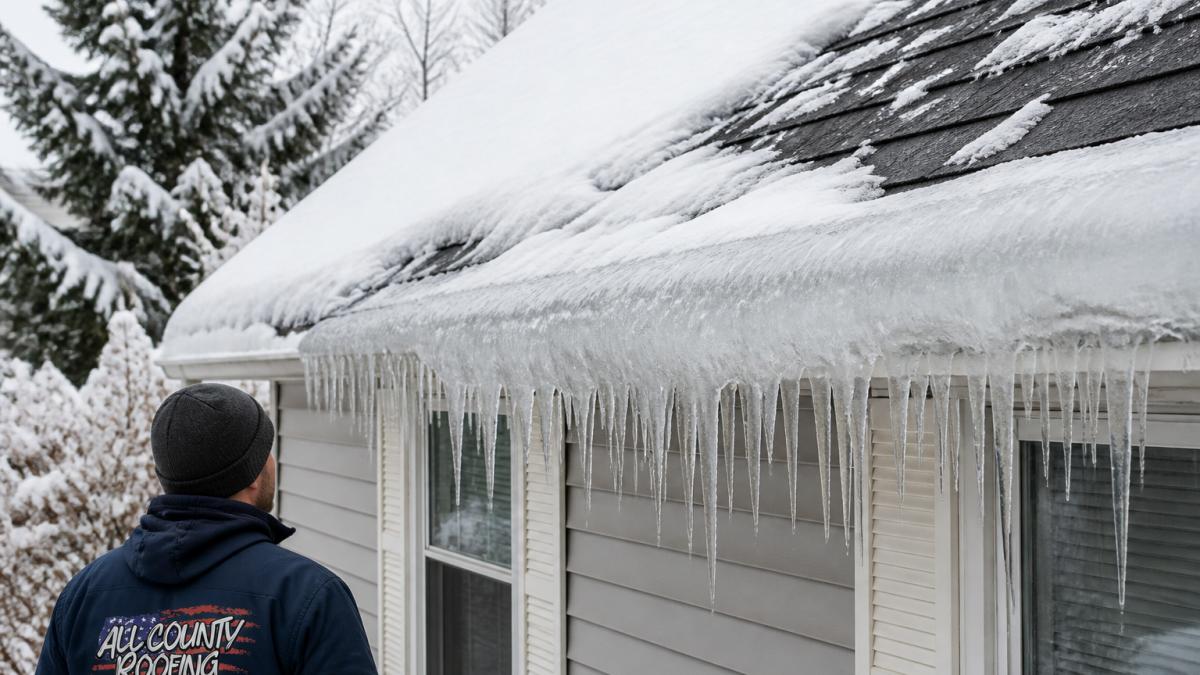
The 5 best roofing materials for snowy climates in Idaho, Oregon, and Montana do more than keep your home dry, they handle freeze-thaw cycles, resist ice dam formation, and support heavy snow loads without structural compromise. The difference between a roof that lasts 20 years and one that fails in five years comes down to material selection and correct installation.
Snow and ice create unique stresses that mild-weather roofing never encounters. Water pools on the roof and under ice patches; it penetrates the roof’s seams and expands as it freezes. Then the water exits in the easiest way possible, which may or may not be the origin of the leak. When daytime sun melts snow on your roof and nighttime temperatures refreeze it, deterioration of your roofing material accelerates. That’s why you want to use a roofing material that is especitally manufactured to withstand the cold winter freeze-thaw conditions. Here are 5 Roofing Materials for Snowy Climates compared.
|
Material |
Snow Load Capacity |
Lifespan |
Ice Dam Resistance |
Best For |
|---|---|---|---|---|
|
Standing Seam Metal |
100+ psf |
40-70 years |
Excellent |
Long-term durability |
|
Architectural Asphalt + Ice Shield |
40-50 psf |
20-30 years |
Good |
Budget-conscious |
|
Class 4 Impact-Resistant Asphalt |
40-50 psf |
30–50 years |
Good |
Hail-prone areas |
|
DaVinci Synthetic Composite |
60-80 psf |
30-50 years |
Very Good |
Aesthetic durability |
|
Natural Slate |
100+ psf |
75-100+ years |
Excellent |
Luxury/historic homes |
Below, we’ll walk through each option with honest assessments of what works, what doesn’t, and where you might be overspending or cutting corners.
1. Standing Seam Metal Roofing
Standing seam metal roofing is engineered specifically for snow shedding. The smooth, interlocking vertical panels create a surface where snow slides off naturally rather than accumulating and melting under its own weight. This is the material of choice for regions where heavy snow loads are the norm.
How It Performs in Heavy Snow
The standing seam design prevents moisture from pooling at seams during freeze-thaw cycles. Water that does penetrate the outer surface encounters interlocking seams that direct it away before it can cause damage. The metal expands and contracts with temperature swings without cracking or splitting, unlike brittle materials that fail under thermal stress.
Metal roofing handles snow loads exceeding 100 pounds per square foot without sagging. In regions where winter precipitation is measured in feet rather than inches, this capacity matters.
One real advantage: metal roofing reflects solar heat. During sunny winter days, this reflection accelerates snow shedding without requiring active removal.
Installation and Durability
Standing seam installation requires precision. If panels aren’t sealed and fastened correctly, the system’s advantages disappear. Improper installation, not the material itself, is the leading cause of early failure. This is where experienced installers like All County Roofing Inc. matter. Manufacturer-certified installation protects your investment and ensures warranty coverage.
Lifespan ranges from 40 to 70 years, depending on the metal type (aluminum, steel, copper) and maintenance. Copper costs more but lasts longest. Steel offers better value.
The main drawback is upfront cost. Metal roofing runs higher than asphalt shingles. However, the extended lifespan means you’ll replace an asphalt roof twice before replacing metal once, making the total cost of ownership competitive.
Standing seam metal roofs do need annual maintenance to ensure that the panels are still properly sealed after the winter weather.
2. Architectural Asphalt Shingles with Ice-and-Water Shield
Architectural asphalt shingles remain the most common roofing choice for residential properties. When paired with ice-and-water shield underlayment, they provide solid protection in snowy climates at a fraction of metal’s cost. This is the practical choice for budget-conscious homeowners who need reliable performance without premium pricing. One of the best products on the market is Malarkey’s Arctic Seal®, a durable, waterproof, self-adhering underlayment made for areas of the roof most susceptible to leaks. Arctic Seal® can also be used as a high-performance, all-roof underlayment.
Why the Underlayment Matters
Ice-and-water shield is a self-adhesive membrane installed along the roof’s eaves and valleys. It creates a waterproof barrier that prevents water backing up under shingles during ice dam formation. Without it, ice dams are a serious problem. With it, they’re manageable.
The shield works by sealing around nail penetrations and preventing water migration. During freeze-thaw cycles, this barrier stops meltwater from entering the attic and causing interior damage. It’s one of the most cost-effective insurance policies you can buy for a snowy climate roof.
Architectural shingles themselves are multi-layered, which adds durability compared to basic 3-tab shingles. They handle moderate snow loads (40-50 psf) adequately for most residential applications. The granule coating sheds water and reflects some solar heat, though not as effectively as metal.
The lifespan of architectural asphalt shingles is 15 to 30 years in snowy climates. The freeze-thaw cycle accelerates deterioration compared to temperate regions.
3. Malarkey Vista, Class 4 Impact-Resistant Asphalt Shingles
Malarkey Vista, Class 4 impact-resistant shingles combine high-grade asphalt with synthetic and upcycled rubber and plastic polymers; proprietary NEX® Polymer Modified (Rubberized) Asphalt formulation rubberizes the asphalt core of the shingle to deliver superior all-weather resilience and longer product life.
Vista® shingles have up to 25% greater tear strength and 65% greater granule retention than the industry standard (ASTM D3462), and meet the stringent IBHS FORTIFIED™ Roof requirements, designed to withstand hail and falling ice chunks, both common in snowy climates. They’re tested to UL 2218 Class 4 standards, meaning they survive multiple impacts from 2-inch steel balls dropped from specific heights without cracking.
These shingles use reinforced backing and specially formulated granules to absorb impact energy. In regions where ice falls from roof peaks or branches dump ice chunks during winter, this protection prevents premature failure. A single hail event or ice slide can damage standard shingles; Class 4 shingles are engineered to survive it.
The cost premium over standard architectural shingles is modest. Many insurance companies offer premium discounts for Class 4 shingles, which can offset the upfront cost difference. Check with your insurer before deciding.
The durability is similar to architectural asphalt shingles in snowy climates: 30-50 years. This is practical insurance for areas prone to both heavy snow and ice. All County Roofing is a Malarkey Certified Contractor in Boise, Idaho. *
*Malarkey Certified Contractors are independent contractors vetted by Malarkey and trained on their products. All Certified Pro Contractors are verified licensed and insured, and have at least 3 years of roofing experience, while Certified Premium Contractors have at least 5.
4. DaVinci Roofscapes Synthetic Composite
DaVinci Roofscapes synthetic composite tiles mimic the appearance of natural slate or wood shakes while avoiding their weight and maintenance challenges. The engineered material is non-porous, meaning it doesn’t absorb water that can freeze and crack the tile, a critical advantage in snowy climates.
The composite material resists freeze-thaw damage better than natural slate because it’s engineered for dimensional stability. Water can’t penetrate the tile surface, so expansion and contraction from freezing cycles doesn’t cause cracking. The tiles are also significantly lighter than slate, reducing structural load and installation complexity.
Impact resistance is solid. The synthetic material absorbs impact without cracking, making it suitable for areas where ice and debris fall from higher elevations.
5. Natural Slate Roofing
Natural slate is the ultimate roofing material for snowy climates if budget allows. The dense stone resists water penetration entirely, water can’t freeze inside the material because there’s nowhere for it to go. A properly installed slate roof simply sheds snow and ice without deterioration.
Preventing Ice Dams on Boise Roofs
Ice dams form when heat escapes through the roof, melting snow at the peak. The meltwater runs downward and refreezes at the eaves where it’s colder. The dam blocks drainage, causing water to back up under shingles. This is the leading cause of interior water damage in snowy climates.
Material Selection and Roof Design
The best ice dam prevention starts with material choice and roof design working together. Standing seam metal sheds snow naturally, reducing the mass that melts. Lighter-colored materials reflect solar heat, slowing melt. Steep roof pitches shed snow faster than shallow pitches.
Ventilation and Maintenance
Proper attic ventilation helps prevent ice dams by keeping the roof surface cold and uniform. Soffit vents allow cold air to enter the attic; ridge vents allow warm air to escape. This continuous air flow prevents hot spots where melting concentrates.
Roof Snow Load Requirements Idaho
Idaho building code requires roofs to support specific snow loads based on geographic location and elevation. These loads vary significantly across the state. Boise and the Treasure Valley have different requirements than mountain communities.
Frequently Asked Questions
What is the best roofing material for heavy snow loads in Boise?
Standing seam metal roofing and natural slate are the top performers for heavy snow loads. Metal sheds snow naturally due to its smooth, sloped surface and interlocking seams that resist moisture infiltration during freeze-thaw cycles. Slate’s high density and extreme durability make it equally reliable. For a more affordable option, Class 4 impact-resistant asphalt shingles with ice-and-water shield underlayment provide solid protection. The best choice depends on your budget and long-term durability expectations.
Does a steel roof help with snow shedding in Idaho winters?
Yes. Standing seam metal roofing, commonly called steel roofing, is one of the best materials for snow shedding. The smooth, vertical panel design allows snow and ice to slide off naturally rather than accumulate. The interlocking seams also prevent water from infiltrating during repeated freeze-thaw cycles common in Idaho winters. Metal roofing typically lasts 40 to 70 years, making it a durable choice for harsh winter conditions.
How do I prevent ice dams on my roof in snowy climates?
Ice dams form when heat escapes through the roof, melting snow at the eaves. To prevent them, choose materials with excellent shedding properties like standing seam metal roofing, ensure proper attic ventilation to maintain consistent roof temperature, and install ice-and-water shield underlayment at vulnerable areas. Regular maintenance, including keeping gutters clear and ensuring adequate insulation in your attic, also helps. Materials with steep slopes shed snow more effectively than low-slope designs.
What roof snow load requirements apply in Idaho?
Idaho building codes require roofs to support specific snow loads based on location and elevation. Most residential areas in the Treasure Valley require roofs to handle 25 to 50 pounds per square foot. Your roofing contractor should verify the exact requirement for your property during the assessment. Materials like slate and metal roofing handle high snow loads well, but even asphalt shingles meet code when properly installed with adequate structural support underneath.


